Chapter 04 / Environmental context
Hospitality Within a Catchment
The water outside the window connects a hotel to places the guest may never see: upstream slopes, downstream rivers and the communities between them.
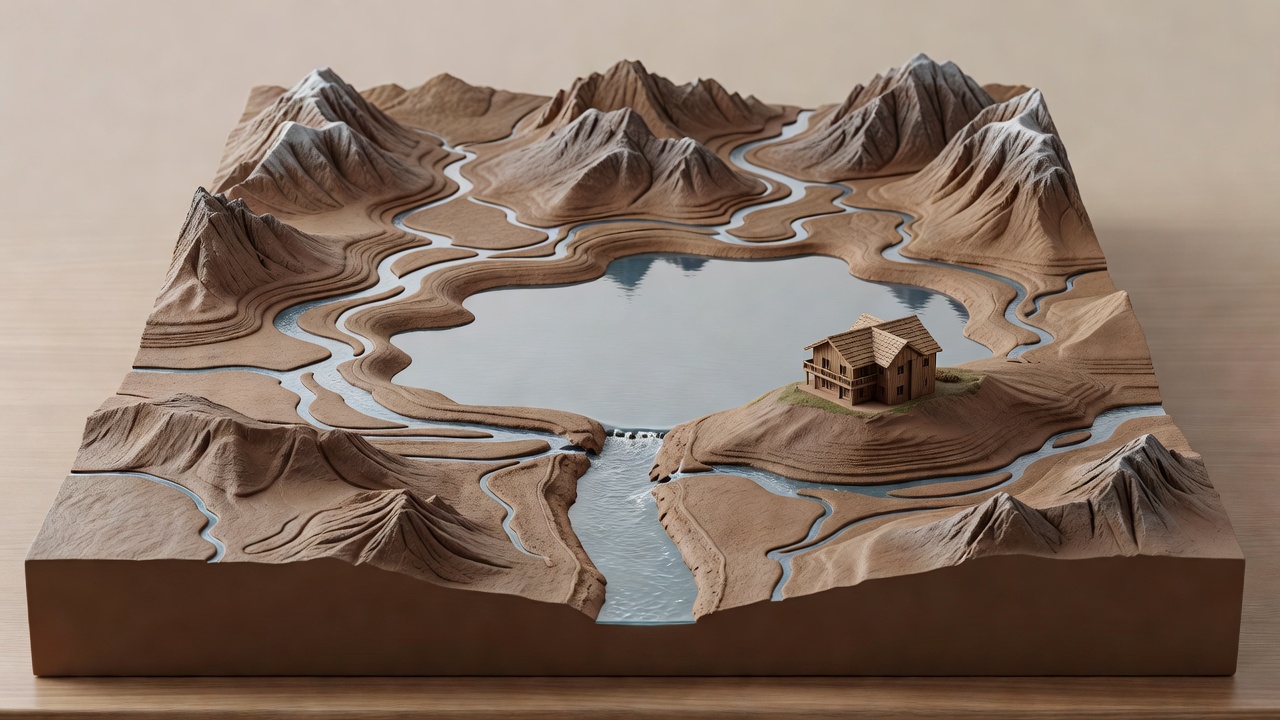
Start with the whole water system
A reservoir can make water appear abundant even when its catchment is under pressure. The stored volume may be committed to drinking supplies, irrigation, power generation, ecological flows or flood management. Its presence beside a hotel does not mean the property has unrestricted access to it, nor that local water scarcity is impossible.
For travellers, the useful shift is from asking whether a destination looks green to asking how it works. Where does the hotel’s drinking water come from? How is wastewater treated? What happens during a dry period? A responsible answer may be modest and practical. It need not promise that the hotel has solved every tension in the valley.
Separate renewable power from no impact
Hydroelectricity can play an important role in electricity systems, but a dam also changes river flow, sediment movement and habitat. A hotel overlooking a hydroelectric reservoir is not automatically powered by that facility. Electricity purchasing, heating systems and on-site generation need to be understood separately from the scenery.
Ask what the property actually measures. Annual energy use, the source of heating and hot water, and a clear explanation of renewable electricity procurement are more informative than a photograph of a dam. Spa pools, heated outdoor water and extensive glazing can all affect demand. Their presence does not settle the environmental question, but it makes operational evidence more important.
The most credible environmental story is usually specific enough to include its limits.
Follow water through the building
Guest bathrooms are only one part of hotel water use. Laundry, kitchens, pools, grounds and cleaning also matter. Towel-reuse cards may support a sensible policy, but they are not a complete account of performance. Useful information connects guest choices with the systems behind the scenes.
Wastewater deserves equal attention. A remote property may use a municipal network or a permitted on-site system, depending on its location. Travellers do not need to audit the engineering, but they can ask how treatment is arranged and whether the property reports compliance through the relevant local framework. Clear answers are preferable to vague claims that all water returns “pure” to nature.
Notice the edge where land meets water
The shore is more than an amenity strip. Depending on the site, it may support nesting birds, seasonal vegetation or small habitats affected by repeated inundation. Hard landscaping, bright lighting and informal paths can add pressure to an already altered edge. Reservoir operation and tourism can interact rather than acting as separate influences.
Choose marked access points and follow local restrictions. Avoid treating an exposed bank as an unrestricted playground: it may be unstable, ecologically sensitive or subject to sudden water changes. Keep equipment clean when moving between water bodies and follow local biosecurity guidance. A quiet outing is most considerate when it respects the rules that protect both visitors and the catchment.
Look for evidence, not a vocabulary
Words such as eco, natural and sustainable have little value without a defined meaning. The EU Ecolabel for tourist accommodation, Green Key and standards associated with the Global Sustainable Tourism Council offer frameworks that can help structure questions. They are not interchangeable, and a property’s actual status should be checked with the relevant programme.
ISO 14001 concerns an environmental management system; it does not mean a hotel has no environmental impact. Similarly, a carbon claim needs a boundary: which operations, which period and whether guest travel is included. A useful report explains methods and limitations instead of relying on a single reassuring label.
| Claim | Ask instead |
|---|---|
| “Water-conscious” | Which uses are measured, and how are restrictions handled? |
| “Powered by nature” | What supplies electricity, heating and hot water? |
| “Locally sourced” | Which products, which suppliers and what seasonal limits? |
| “Certified” | By whom, for which site, and with what current scope? |
Include the journey and the local economy
A hotel’s operations are only one part of a trip. Distance travelled, transport mode and length of stay can materially affect its wider footprint. Where practical, a longer stay with a rail connection and shared transfer may reduce repeated journeys and allow a more attentive experience of the valley.
Local employment and purchasing also deserve a place in the conversation. Ask how the hotel connects guests with independent guides, village restaurants and regional producers. Local does not automatically mean low-impact, but transparent relationships can help the benefits of tourism extend beyond the property boundary.
Choose a stay you can understand
You do not need a perfect hotel or a perfect answer to every question. Look for coherent choices, clear information and a willingness to discuss constraints. A property that acknowledges seasonal water pressure and explains its response may be more trustworthy than one promising effortless environmental virtue.
Read this chapter alongside the reservoir landscape and the building’s relationship with the shore. Together they turn a scenic booking into a more informed choice: comfort understood within the system that supports it.